
2021 Part D IRMAA for Married People Filing as Individuals; Income Category: Your 2021. Change from 2020: Less than $88,000 (Less than $87,000 in 2020) $0 per month: $0 increase per month. $88,000 - $412,000 ($87,000 - $413,000 in 2020) $70.70 per month. $848.40 per year. $0.70 decrease per month. $10.80 savings per year. More than $412,000. Ask questions so you understand why your doctor is recommending certain services and whether Medicare will pay for them. Things to know Medicare doesn't cover other services or tests ordered by a chiropractor, including X-rays, massage therapy, and acupuncture (except for low back pain). Medicare pays the rest. Starting on day 151 Medicare pays nothing. Medicare Part A also pays 100% of days 1-20 in a skilled nursing facility (rehab center). If you stay longer than 20 days your copay is $185.50 per day for days 21-100. Medicare pays after the copay has been satisfied.
Medicare Explained 2021
Medicare is divided into 4 parts: Part A, Part B, Part C, and Part D
Original Medicare consists of Part A and Part B.
Medicare Part A (Hospital)
Covers an inpatient hospital stay specific to only Room, Board, and general nursing services.
Something important to keep in mind is going to the Emergency Room or in Observation at the hospital, DOES NOT constitute “inpatient” status. You are not considered “inpatient” until a physician formally admits you into the hospital and declares that you are an inpatient. Until you are formally admitted Part A does not kick in. Once formally an “inpatient” and Part A is activated, you are responsible for a deductible of $1,484.00 per benefit period. A deductible is due each hospital admission if 60 days exist between stays. The coinsurance after the deductible for days 1-60 is$0.00 per day of each benefit period. If you stay longer than 60 continuous days, your copay is $371.00per day for days 61-90 and $742.00per day for days 91-150. Medicare pays the rest. Starting on day 151 Medicare pays nothing.
Medicare Part A also pays 100% of days 1-20 in a skilled nursing facility (rehab center). If you stay longer than 20 days your copay is $185.50 per day for days 21-100. Medicare pays after the copay has been satisfied. On day 101+, Medicare pays nothing, and you are responsible for all charges.
There is no max out of pocket under Original Medicare for Part A or Part B.
Part A also covers Hospice and home health care following a stay in the hospital.
Medicare Part B (Medical)
Everything else Medical falls under Part B. You pay an annual deductible of $203.00 then it goes to a basic 80/20 plan. Medicare pays 80% of the Medicare approved charges, then you must pay the remaining 20%. There is a premium for Part B for most people and in 2021 that premium is $148.50 (subject to income limits). Higher income earners will pay a higher premium for Part B (IRMAA). Please visit medicare.gov for more details.
Part B includes (but not limited to):
- Doctors office visits
- In-patient surgery
- Out-patient surgery
- Blood work/lab testing
- MRI, CAT scan, CT Scan
- X-rays
- Emergency room and observation prior to admission
- Ambulance ride
- Doctor/surgeon treating you in hospital
- All hospital services rendered
Medicare Part C (Medicare Advantage Plans)

A Medicare Advantage Plan is another way to get your Medicare Part A and Part B coverage. Medicare Advantage Plans, sometimes called “Part C” or “MA Plans,” are offered by Medicare-approved private companies that must follow rules set by Medicare. Most Medicare Advantage Plans include drug coverage (Part D). In many cases, you’ll need to use health care providers who participate in the plan’s network and service area for the lowest costs. These plans set a limit on what you’ll have to pay out-of-pocket each year for covered services, to help protect you from unexpected costs. Some plans offer out-of-network coverage, but sometimes at a higher cost. Remember, you must use the card from your Medicare Advantage Plan to get your Medicare-covered services. Keep your red, white, and blue Medicare card in a safe place because you’ll need it if you ever switch back to Original Medicare.
If you join a Medicare Advantage Plan, you’ll still have Medicare but you’ll get most of your Part A and Part B coverage from your Medicare Advantage Plan, not Original Medicare.
What are the different types of Medicare Advantage Plans?
- Health Maintenance Organization (HMO) plan
- HMO Point-of-Service (HMOPOS) plan: This HMO plan may allow you to get some services out-of network for a higher copayment or coinsurance.
- Medical Savings Account (MSA) plans
- Preferred Provider Organization (PPO) plan
- Private Fee-for-Service (PFFS) plan
- Special Needs Plan (SNP) Certain health conditions
- Dual Eligible Plan (DSNP) Medicare and Medicaid eligible
What do Medicare Advantage Plans cover?
Medicare Advantage Plans cover almost all Medicare Part A and Part B benefits.Plans must cover all emergency and urgent care, and almost all medically necessary services Original Medicare covers. However, if you’re in a Medicare Advantage Plan, Original Medicare will still cover the cost for hospice care, some new Medicare benefits, and some costs for clinical research studies.
Plans can offer extra benefits
Most Medicare Advantage Plans offer coverage for things Original Medicare doesn’t cover, like some vision, hearing, dental, and fitness programs (like gym memberships or discounts). Plans can also choose to cover even more benefits. For example, some plans may offer coverage for services like transportation to doctor visits, over-the-counter drugs, and services that promote your health and wellness. Plans can also tailor their benefit packages to offer these benefits to certain chronically-ill enrollees. These packages will provide benefits customized to treat specific conditions. Check with the plan before you enroll to see what benefits it offers, if you might qualify, and if there are any limitations.
Part D (Drug coverage)
Medicare drug coverage helps pay for prescription drugs you need. Even
if you don’t take prescription drugs now, you should consider getting Medicare drug coverage. Medicare drug coverage is optional and is offered to everyone with Medicare. If you decide not to get it when you’re first eligible, and you don’t have other creditable prescription drug coverage
(like drug coverage from an employer or union) or get Extra Help, you’ll likely pay a late enrollment penalty if you join a plan later. Generally, you’ll pay this penalty for as long as you have Medicare drug coverage. To get Medicare drug coverage, you must join a Medicare-approved plan that offers drug coverage. Each plan can vary in cost and specific drugs covered.
There are 2 ways to get Medicare drug coverage:
1. Stand Alone Drug Plans These plans add drug coverage to Original Medicare, some Medicare Cost Plans, some Private Fee-for-Service plans, and Medical Savings Account plans. You must have Part A and/or Part B to join a separate Medicare drug plan.
2. Medicare Advantage Plans You get all of your Part A, Part B, and drug coverage, through these plans. Remember, you must have Part A and Part B to join a Medicare Advantage Plan, and not all of these plans offer drug coverage.
Medicare Hospital Deductible For 2021
In either case, you must live in the service area of the plan you want to join.
In this guide, we take a look at Medicare rate increases from 2020 to 2021 to shed some light on what we can expect for Medicare costs going forward.
We also outline some 2022 Medicare cost projections based on the annual Medicare Trustees Report.
2021 Medicare Part B Costs
The standard Part B premium in 2021 is $148.50 per month. That's an increase of $3.90 from the 2020 Part B premium.
While most people pay the standard Part B premium, other beneficiaries may pay more if they had a higher reported income two years prior (2019).
The table below shows the additional amount these beneficiaries will pay in 2021 — called the Income-Related Monthly Adjustment Amount, or IRMAA — based on their reported 2019 income.
Medicare Part D Copay 2021
| 2019 Individual tax return | 2019 Joint tax return | 2019 Married and separate tax return | 2021 Part B premium |
|---|---|---|---|
| $88,000 or less | $176,000 or less | $88,000 or less | $148.50 |
| More than $88,000 and up to $111,000 | More than $176,000 and up to $222,000 | N/A | $207.90 |
| More than $111,000 up to $138,000 | More than $222,000 up to $276,000 | N/A | $297.00 |
| More than $138,000 up to $165,000 | More than $276,000 up to $330,000 | N/A | $386.10 |
| More than $165,000 up to $500,000 | More than $330,000 up to $750,000 | More than $88,000 up to $412,000 | $475.20 |
| More than or equal to $500,000 | More than or equal to $750,000 | More than $412,000 | $504.90 |
Medigap plans can help cover your 2021 Medicare costs.
Compare plans2021 Medicare Part A Cost Increases
Most people receive premium-free Part A.
In 2021, people who are required to pay a Part A premium must pay either $259 per month or $471 per month, depending on how long they or their spouse worked and paid Medicare taxes.
Medicare Deductible 2021 For Prescriptions
Those are increases of $7 and $13 per month respectively from 2020 Part A premiums. The costs may increase again in 2022.
The Part A deductible in 2021 is $1,484 per benefit period, which is an increase of $76 from the 2020 Part A deductible.
The Part A deductible amount may increase each year, and it will likely be higher in 2022.

2022 Medicare Part B Cost Projections
Based on reporting from the Centers for Medicare & Medicaid Services (CMS), the projected 2022 Medicare Part B premium is $157.70 per month.1
It's important to note that this figure only represents an estimate of 2022 Part B premiums. Actual 2022 premiums will be determined in the fall of 2021.
Will My Medicare Supplement Insurance Premiums Go Up?
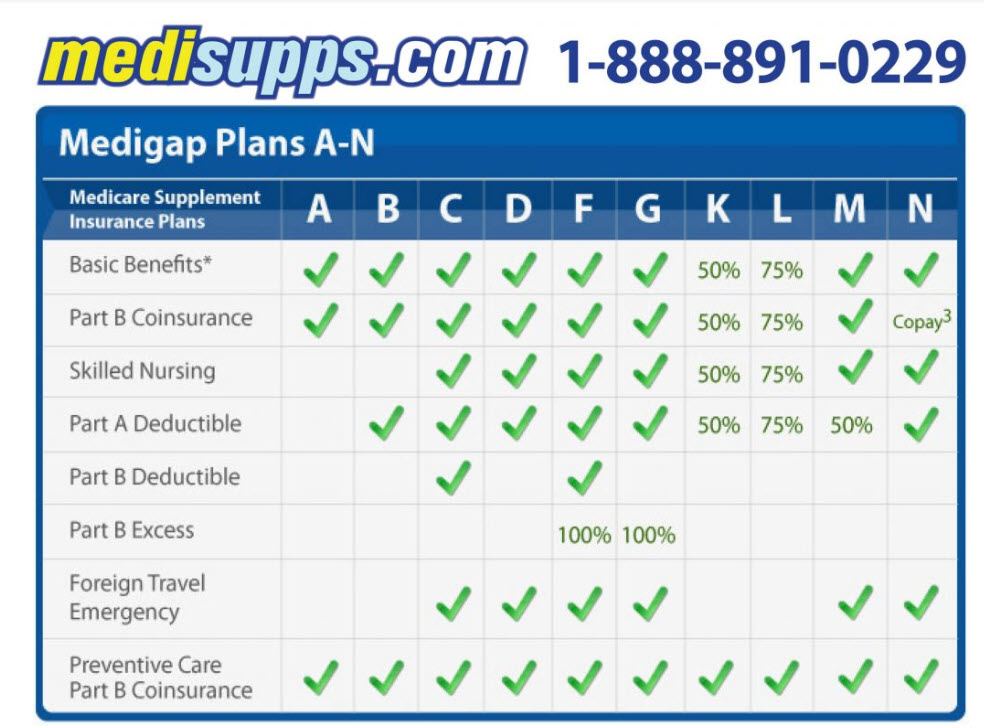
Medicare Supplement Insurance, or Medigap, provides coverage for certain Medicare Part A and Part B out-of-pocket expenses like deductibles, coinsurance and copayments.
The average a Medigap plan premium in 2018 was $125.93 per month.2
This cost figure is weighted, which means that some Medigap plans in some areas may offer lower premiums than what is listed above. Some 2021 Medigap plan premiums may also be higher.
Each type of Medigap plan offers a different combination of standardized benefits. Plans with fewer benefits may offer lower premiums.
Other factors such as age, gender, smoking status, health and where you live can also affect Medigap plan rates.
Medigap premiums can increase over time due to inflation and other factors, so you can typically expect Medigap plan premiums to be higher in 2022 than they will be in 2021.
Compare 2021 Medicare Supplement Insurance Plan Costs
A licensed insurance agent can help you find Medigap plans that are available where you live. You can find out the types of benefits each available plan may offer, the insurance companies that sell them and the premium costs you can expect to pay.
You can request an online plan comparison for free, with no obligation to enroll.
Find Medigap plans in your area.
Compare plans1 Medicare: Part B Premiums. (Updated May 6, 2020). EveryCRSReport.com. Retrieved from www.everycrsreport.com/reports/R40082.html.
2 TZ Insurance Solutions LLC internal sales data, 2019. This data is based on the Medicare Supplement Insurance policies TZ Insurance Solutions LLC has sold. It is not a comprehensive national average of all available Medicare Supplement Insurance plan premiums.
Christian Worstell is a health care and policy writer for MedicareSupplement.com. He has written hundreds of articles helping people better understand their Medicare coverage options.
Resource Center
Enter your email address and get a free guide to Medicare and Medicare Supplement Insurance.
By clicking 'Sign up now' you are agreeing to receive emails from MedicareSupplement.com.
We've been helping people find their perfect Medicare plan for over 10 years.
Ready to find your plan?